What is the Connection Between Hormone Balance and Libido?
Published on 30 June 2025
Published on 30 June 2025
Your hormones do a lot more than regulate sleep or metabolism – they also play a pivotal role in your desire for intimacy. Dips in libido can feel confusing or even distressing, especially when the cause isn’t immediately obvious. Oftentimes, the culprit is hormonal imbalance. In this blog, we’ll explore how hormones influence your sexual wellbeing, the signs that hormonal shifts may be affecting your libido, and the safe, medically-led treatments available here at Dr SW Clinics.
Hormones like oestrogen, progesterone, and testosterone influence everything from mood and energy to physical arousal and sexual satisfaction. When levels are optimally balanced, they support a healthy libido, lubrication, erectile dysfunction, and emotional connection. When they’re off kilter, it can be hard to feel “in the mood” – no matter how mentally ready you are.

If you’re noticing any of the following, it may be time to assess your hormone health:
A persistent lack of interest in intimacy, even in emotionally fulfilling relationships.
Feeling physically drained can often be tied to hormonal depletion.
Emotional instability is commonly linked to hormone fluctuations.
Physical signs of arousal may be affected.
Poor sleep can affect hormone regulation to further reduce libido.
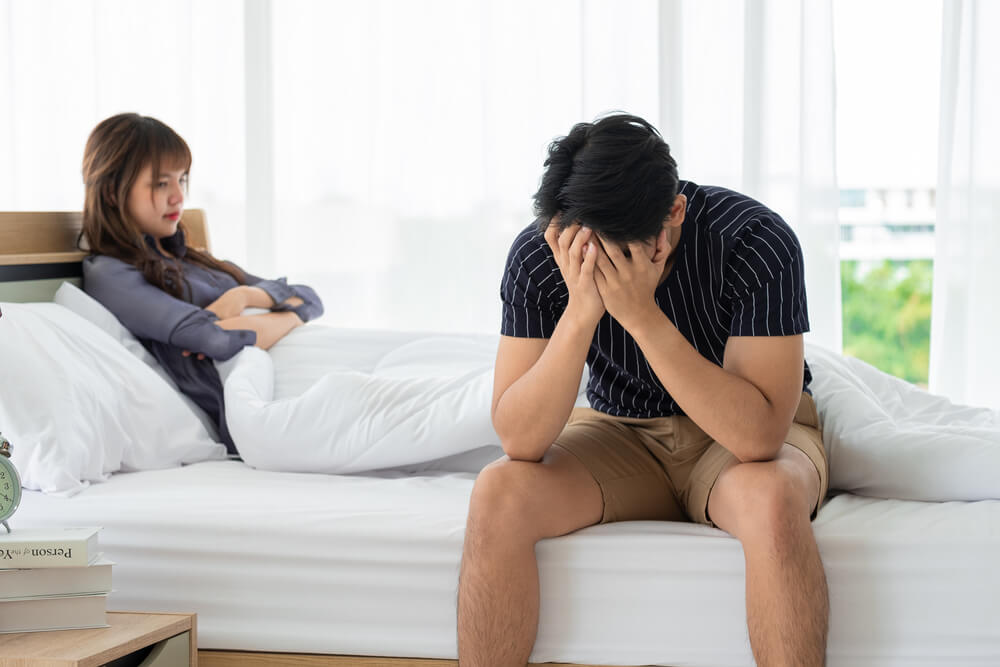
Women often experience hormonal shifts during perimenopause, menopause, and postpartum phases. Low levels of oestrogen and progesterone can cause vaginal dryness, discomfort during sex, reduced arousal, and emotional disconnect. These changes can feel isolating – but they are more common than many people realise.
Men may encounter andropause, a gradual decline in testosterone, usually from the age of 40 onwards. This drop can impact erectile function, energy levels, muscle mass, and mental clarity, all of which play into libido. Low testosterone can also affect confidence and intimacy, making proactive support essential.
There’s no one-size-fits-all solution to restoring libido and sexual wellbeing. That’s why Dr Sherif Wakil developed the O Concept™ – a pioneering, multi-layered approach that blends advanced medical science with personalised care. At its core, the O Concept™ focuses on optimising all factors that influence sexual health, including hormones, circulation, nerve sensitivity, and psychological wellbeing. Rather than isolating a single issue, this protocol takes a holistic view of the entire intimate health picture to deliver lasting results that are truly life-changing. Every treatment is discreet, tailored, and naturally designed to help reignite desire, comfort, and confidence. Book a confidential consultation today to explore how hormonal balancing and The O Concept™ can help you feel more like yourself again.
Latest news
Latest articles